Authors: Pavit Arora, Associate, and Jon P. Yormick, Managing Member
The Office of Foreign Assets Control (“OFAC”)’s May 18, 2026, enforcement action against Adani Enterprises Limited (“AEL”) is one of the most significant recent Iran sanctions cases involving a non-US company and carries important implications for Indian companies and other foreign businesses engaged in international trade.
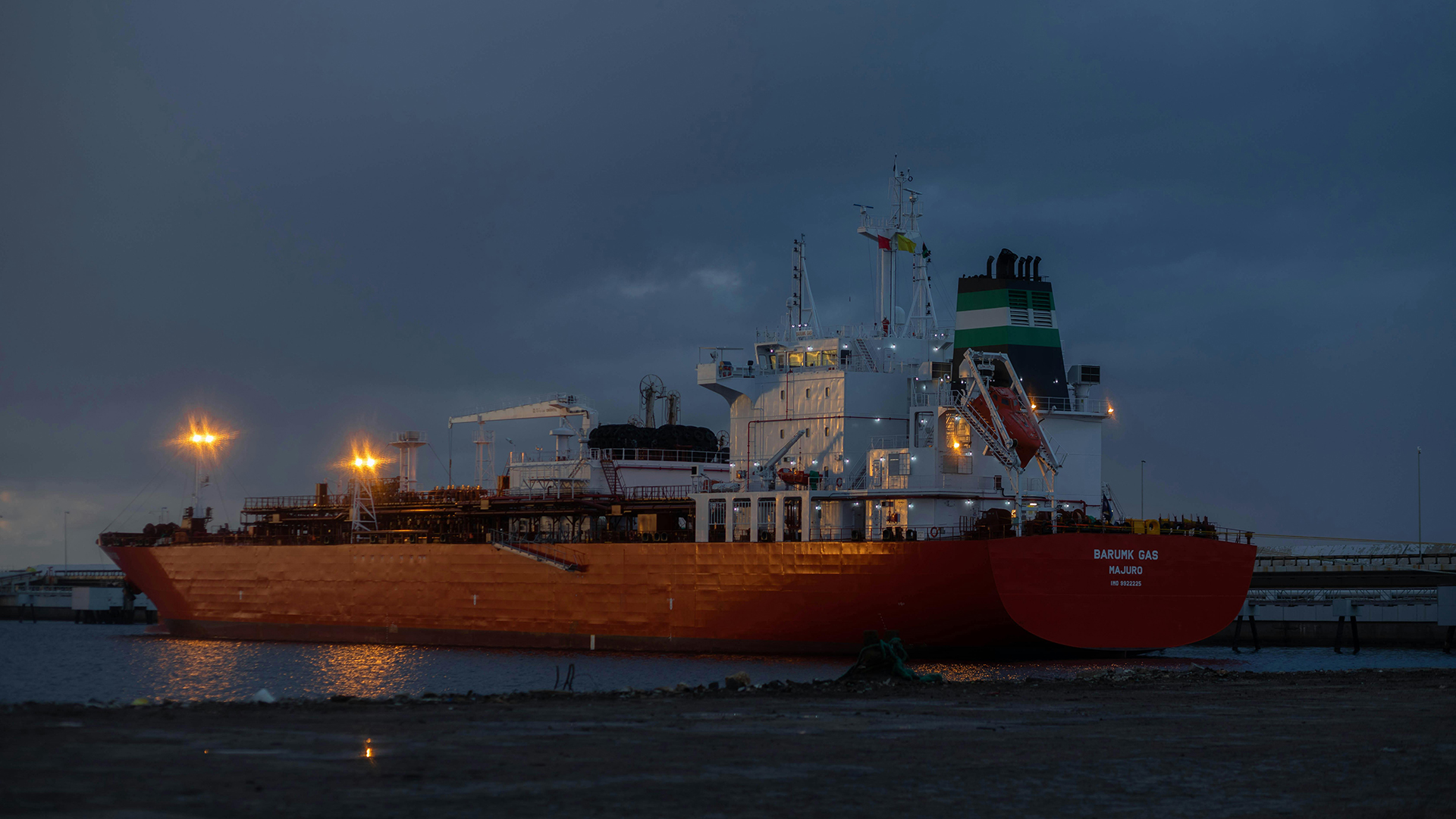
AEL agreed to pay USD 275M to resolve allegations that it caused US financial institutions to process payments of approximately $192 million connected to 32 shipments of Iranian-origin liquified petroleum gas (“LPG”) that were routed through UAE-based intermediaries and falsely represented as originating from Oman or Iraq.
Several aspects of the settlement are particularly noteworthy.
Increased Enforcement Against Non-US Companies
First, the action signals increased US enforcement attention on non-US companies that transact business through intermediary jurisdictions, such as the UAE, in ways that may obscure Iranian party involvement. In the Settlement Agreement, OFAC repeatedly emphasized that the transactions involved a Dubai-based trading company acting as a conduit for Iranian-origin products and stressed that the use of UAE structures and documentation did not shield the conduct from US sanctions exposure, reflecting OFAC’s continued focus on indirect procurement structures, maritime sanctions evasion typologies, and intermediary trading networks commonly used in the Iran energy trade.
Similarities to Russia-related Sanctions and Export Controls
Second, although the case arises under Iran sanctions, the same enforcement logic and compliance expectations apply equally to Russia-related sanctions and export controls. OFAC’s discussion of “red flags,” shadow fleet activity, suspicious vessel behavior, opaque intermediaries, pricing anomalies, Automatic Identification System (“AIS”) manipulation, and commercially implausible trade patterns mirrors the risk indicators that US authorities have repeatedly identified in Russia-related enforcement guidance since 2022. Companies operating in sectors involving maritime transport, commodities, energy products, or intermediary jurisdictions should expect heightened scrutiny not only with respect to Iran, but also with respect to Russia-related sanctions evasion risks.
Paper Compliance Programs and Restricted Party Screening Alone are not Enough
Third, the settlement emphasizes that having a sanctions compliance program and conducting restricted party screening alone is not sufficient where broader transactional “red flags” exist. OFAC acknowledged that AEL had a sanctions compliance program, conducted Know Your Customer checks, screened counterparties against the OFAC’s Specially Designated Nationals and Blocked Persons (“SDN”) List, and reviewed shipping documentation.
Nevertheless, OFAC concluded that AEL acted recklessly because it allegedly failed to investigate multiple warning signs indicating the possible Iranian origin of the cargoes. According to OFAC, those “red flags” included:
- repeated, but ignored, third-party allegations that the LPG originated from Iran;
- pricing that was significantly below prevailing market rates;
- suspicious maritime activity, including AIS manipulation and illogical vessel movements;
- commercially implausible shipping patterns and cargo origins;
- inconsistencies and indications of falsified trade documents; and
- payment disruptions at financial institutions apparently linked to sanctions concerns.
Significantly, OFAC stated that sanctions compliance is “not an exercise in box-checking” and emphasized that reliance on facially valid documentation and counterparty assurances may be insufficient where surrounding facts suggest elevated sanctions risk.
This action reinforces the broader enforcement themes that have become increasingly prominent in OFAC cases, including that:
- non-US companies can face significant US sanctions exposure when transactions are denominated in US dollars or otherwise involve the US financial system;
- regulators expect companies to assess the commercial and logistical plausibility of transactions, not merely screen names against sanctions and other restricted party lists;
- intermediary jurisdictions such as the UAE continue to present elevated sanctions evasion risk for both Iran- and Russia-related transactions; and
- OFAC expects companies to investigate and escalate credible red flags rather than rely solely on contractual representations or documentation.
We regularly recommend that companies engaged in international trade, particularly those transactions involving high-risk jurisdictions, intermediary trading companies, or maritime transport, to strongly consider and assess whether their existing sanctions and export controls processes adequately identify and escalate these types of notable “red flags” and evasion typologies, all of which have been addressed in OFAC and multi-agency and multilateral guidance from sanctions, export controls, and financial crime authorities.